📏 Clothing Sizes: Why Fit Fails and What Went Wrong
🧵 Introduction: The Sizing Struggle Begins
Welcome to the first in a series of blogs exploring one of fashion’s most persistent problems: clothing sizes. Whether you’re a shopper, retailer, or manufacturer, you’ve likely faced the frustration of poor fit.
“I’m a size 38, but your clothes don’t fit.”
“I wear M, but I need L in your store.”
“Your S is too big — do you have anything smaller?”
“The dress looks amazing online, but terrible on me.”
“Why don’t you offer pants in size 70 for tall people?”…
…so many different problems with the same root!
Sound familiar? How many times have you found a piece you love, paid a premium price, and then — it just doesn’t fit? Too long, too short, buttons pulling, seams misaligned… and you’re left wondering: is it me, the model, or the size?
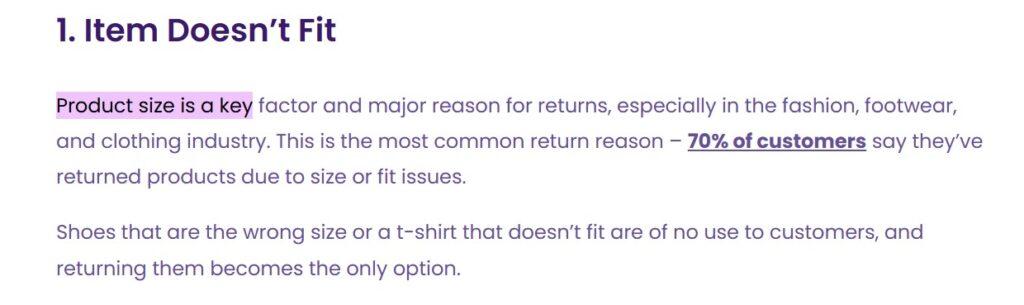
According to some sources, over 60% of global fashion brands — and more than 70% of the world’s population — struggle with sizing. Poor fit and incorrect sizes are now among the biggest challenges in fashion retail.
The issue began in the late 1980s with globalization, but it exploded during the COVID-19 pandemic. Online clothing sales surged — and so did returns, with up to 60% of items sent back due to sizing issues.
🔄 A Problem That Affects Everyone
Whether you’re a producer, seller, or buyer, sizing confusion hits across the supply chain. And despite years of effort, the industry still hasn’t solved it.
Brands suffer financial losses. Consumers feel disappointed and misled. Thankfully, digital tools and AI are beginning to offer hope — but first, we need to understand how we got here.
🧩 How Did Sizing Get So Broken?
Choose your culprit:
- Profit-driven production
- Cost-cutting
- Fast fashion
- Mass manufacturing
- Oversimplified global sizing systems
- Outsourcing far from point-of-sale
- Disregard for professional standards
All of these factors contributed to the collapse of sizing logic. The truth is, sizing isn’t simple — it’s a delicate balance of creativity, technology, psychology, and structure.
From my experience, the root problem is in approach. Clothing design requires order and precision. Nothing is random.
📐 When Standards Meant Something
In the early days of industrial clothing production, sizing was based on real anatomical data. Brands used anthropometric studies to measure populations and create size ranges grounded in actual body proportions.
Statisticians processed this data to build measurement charts, which formed the backbone of size labeling systems. For example, a woman with size 42 in measurements couldn’t possibly wear size 38 — and vice versa.
Today, that logic is gone. Brands now allow consumers to choose smaller sizes than their body measurements suggest — feeding vanity but sacrificing accuracy.
🚫 The Disappearance of Diversity
To cut costs, many brands eliminated size variations for height and body shape. Gone are the tall, short, slim, and full-body categories. Most sizing now caters only to the “average” — a concept that doesn’t reflect reality.
This one-size-fits-all approach has left entire populations underserved.
📜 A Brief History of Sizing Standards – From Structure to Chaos
In the 1960s, former Yugoslavia developed the JUS standard, based on measurements from 5,000 citizens. It guided all domestic clothing production of that times.
Germany created the DIN standard, which Croatia adopted in the 1990s for its better fit.
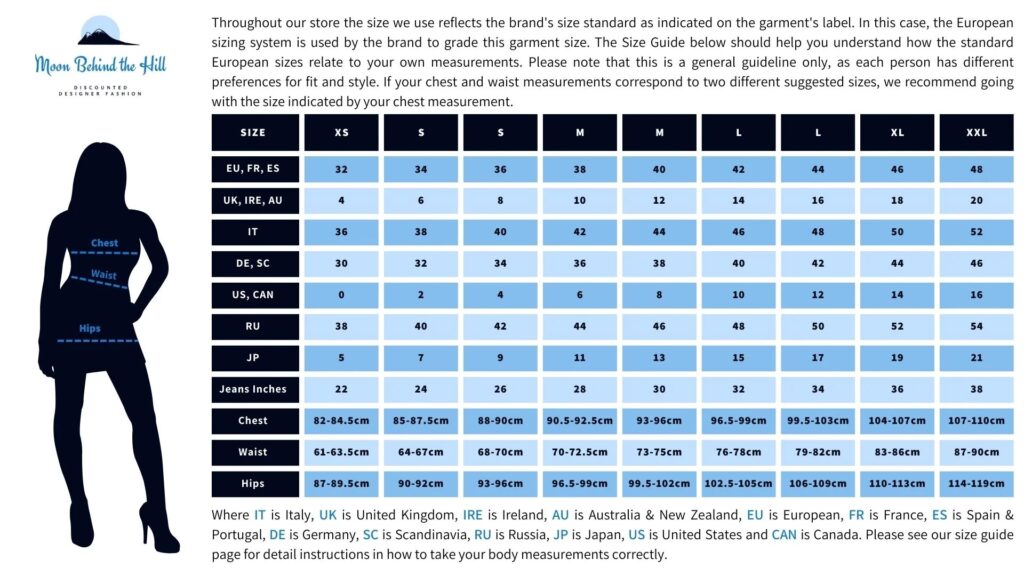
Europe now uses ISO 8559-1,2,3 and similar standards — more as a guideline than a strict standard. Read more:
BS EN ISO 8559-1:2020 Size designation of clothes Anthropometric definitions for body measurement
But today, these once-robust systems have been reduced to vague tables of numbers — misunderstood by both retailers and consumers.
What began as a structured system has devolved into confusion. Sizing is no longer a technical detail — it’s a burning issue in fashion.
The challenge of clothing fit and sizing is a global issue — and it’s time we explore it ourselves. Who knows, maybe we’ll uncover a few solutions along the way.
📐 Body Measurements & Patterns in Garments
For most consumers, terms like patterns, measurements, size charts, and standards are a confusing blur. So let’s start with the basics: understanding pattern-making in garment — essential concept for grasping the role of body measurements.
Garment pattern making for sure is the backbone of the fashion industry.
It deserves its own blog series, which I’ll dive into more deeply this fall.
✂️ What Is Garment Pattern Making?
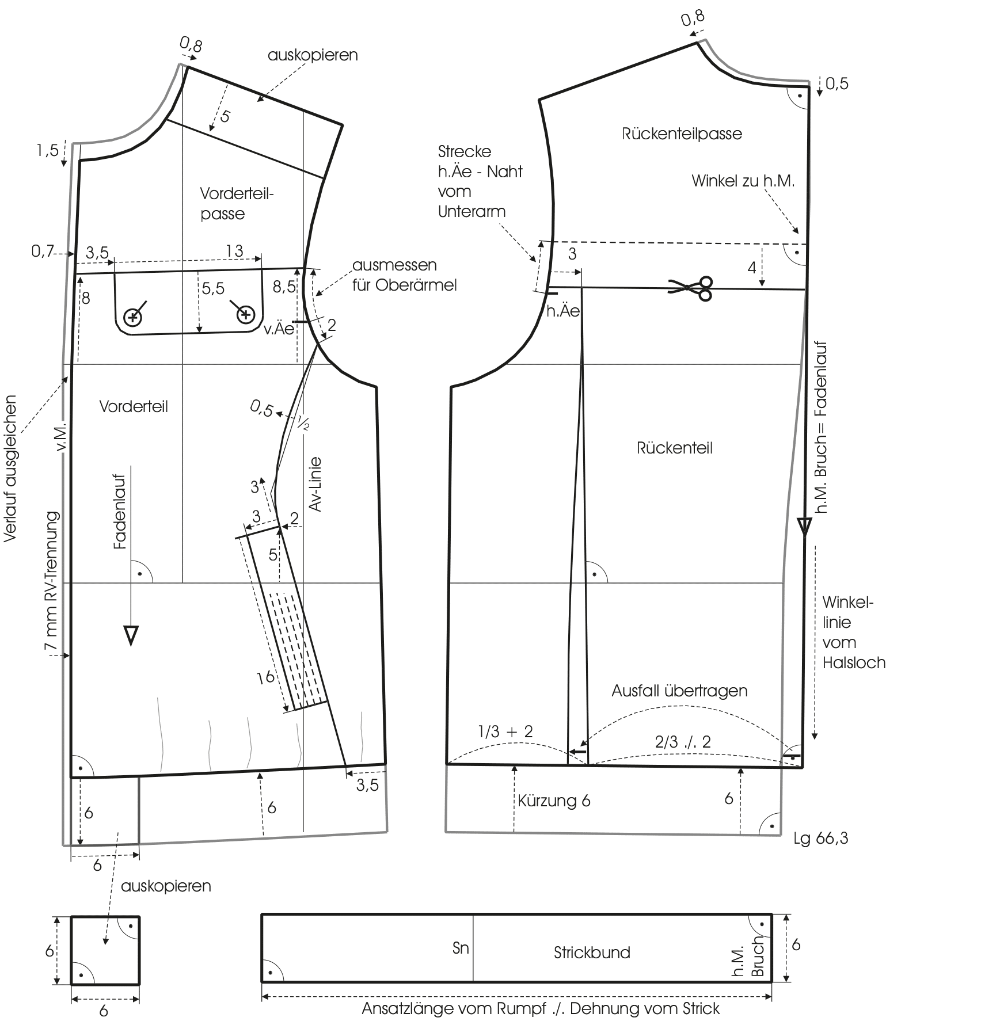
Anyone professionally trained in textiles and fashion understands the importance of body proportions and measurements in product development. These skills are taught extensively in vocational and university-level education under the module commonly known as “Garment Pattern Making.”
It’s a process that begins with analyzing a designer’s sketch, translating body measurements into pattern pieces via pattern construction methods, and drafting technical patterns for the garment.
The result? A pattern — the blueprint of a garment.
The creation of pattern involves the application of mathematical, geometric, and technical principles yet understanding the designer’s vision. It’s a specialized discipline, and its foundation is body measurements.
📏 The Role of Ease: Why Clothes Don’t Match Your Exact Measurements
Every pattern includes:
- Body measurements (real measures of the human body)
- Ease allowance (extra room for comfort)
Ease is the difference between your body and the garment’s dimensions. It’s influenced by the designer’s vision and the pattern-maker’s interpretation. This is why two garments with the same size label can feel completely different.
🧱 Fashion vs. Architecture: A Structural Comparison
Pattern making (garment pattern construction) is surprisingly similar to architecture. Both rely on technical drawings, mathematical rules, and structural logic.
But here’s the twist:
Creating a garment that fits well is sometimes harder than designing a building.
And since no two bodies are alike, mass-producing clothing that fits everyone is — for now — only a fantasy.
💡 Fun Fact: Garment Construction Went Digital in the ’80s
Fashion was one of the first industries to adopt CAD (Computer-Aided Design) systems. These tools revolutionized product development and production planning — highlighting the importance of pattern making in industrial clothing manufacturing.
🧬 Body Anatomy and Proportions: The Hidden Blueprint Behind Fit
Body measurements are the starting point for any technical garment design. But in reality, each set of measurements corresponds to one unique person — the kind of fit you’d get from a bespoke tailor.
For everyone else shopping off the rack, we rely on standardized sizing systems. If you fit the chart — great. If not — frustration follows.
And that’s where today’s sizing problem begins.
To truly understand clothing fit, we must look beyond measurements — and into the anatomy of the human body. Body measurements used in garment construction are part of a broader story rooted in anatomy and proportion.
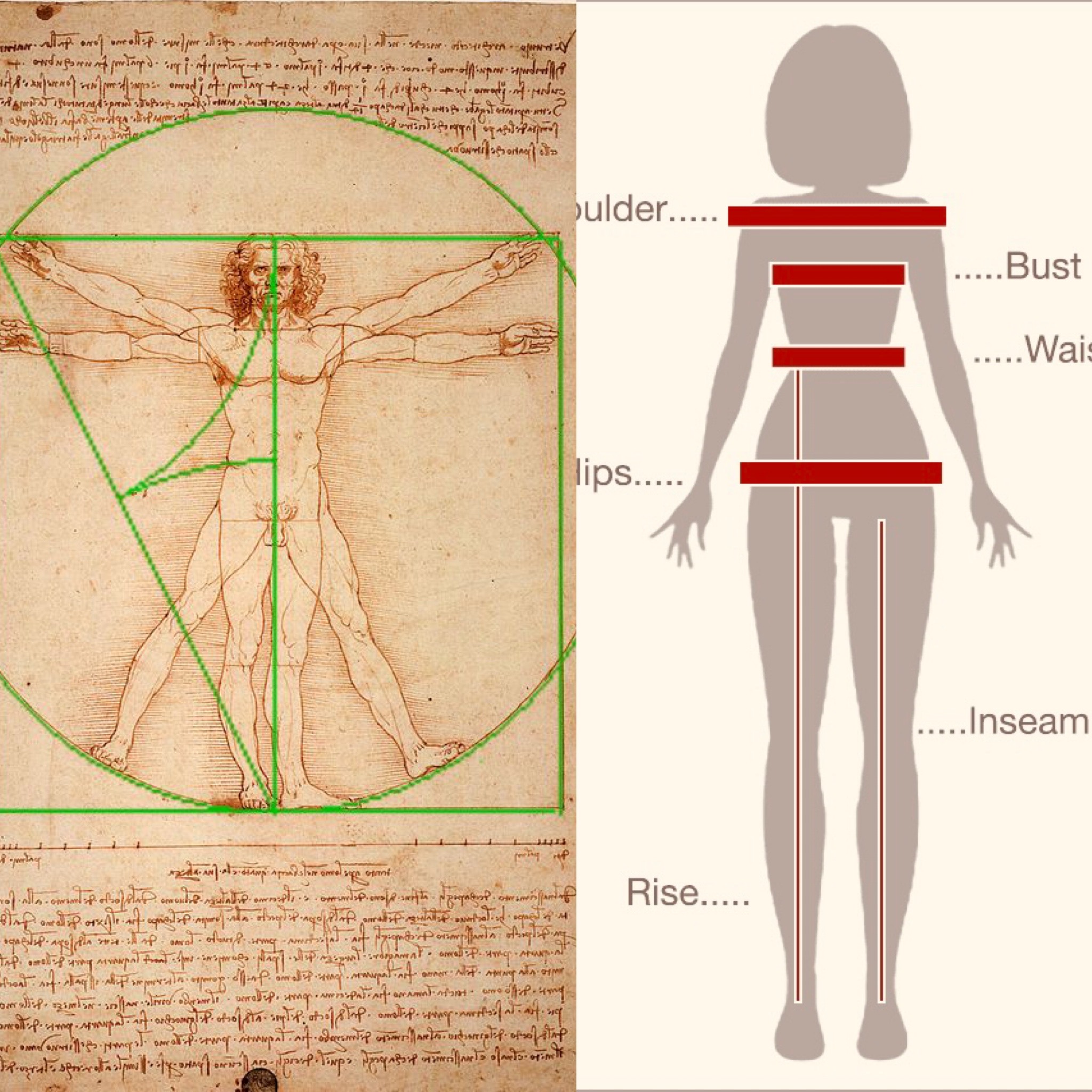
Human proportions vary across race, gender, age, and lifestyle. For centuries, people have searched for a universal rule to define ideal body proportions. One such principle is the Golden Ratio — a timeless concept used in art, architecture, and yes, fashion.
Whether justified or not, the Golden Ratio has become the “gold standard” for body proportions — and it quietly underpins global garment production.
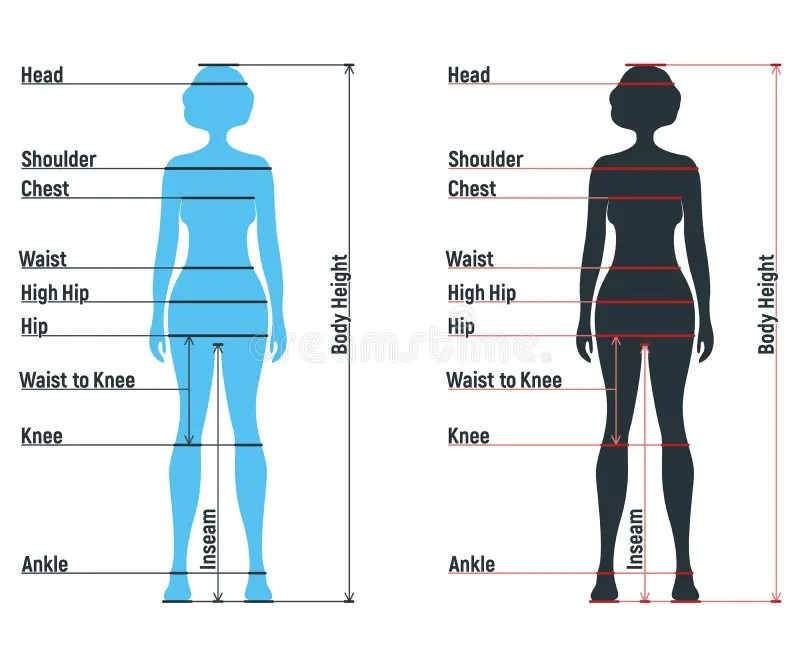
📐 The Golden Ratio: A Mathematical Ideal
First expressed mathematically around 325–265 BC in Elements by Euclid of Alexandria, the Golden Ratio divides a line (Whole) into two parts — Minor and Major — so that: Minor : Major = Major : Whole
This ratio equals approximately 1.61803 : 1, or more precisely: (1 + √5) / 2
This number — often called the divine proportion or natural harmony — is symbolized by the Greek letter Φ (phi).
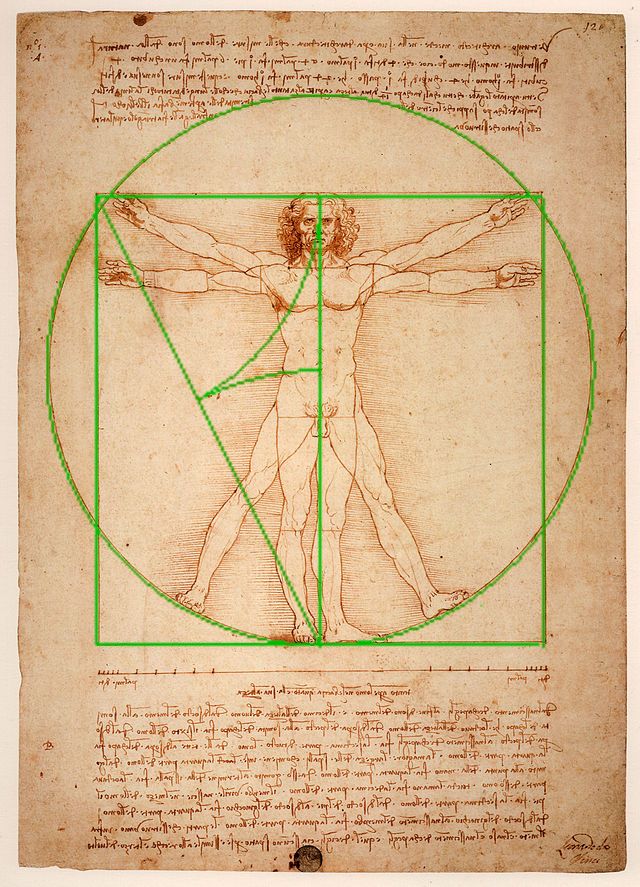
🧠 From Euclid to Da Vinci: Proportion as Art and Science
Many thinkers expanded on Euclid’s ideas — most notably Leonardo da Vinci, with his Vitruvian Man, and Fibonacci, who expressed the ratio through his famous sequence: 1, 1, 2, 3, 5, 8, 13, 21, 34…
For our purposes, it’s enough to know that approximate Golden Ratio proportions can be expressed as: 3:5, 5:8, 8:13 or so.
📏 Applying the Golden Ratio to the Human Body
In fashion, the most commonly used ratio is 5:8.
When applied to body height, the Golden Ratio places the dividing line at the waist:
Head to waist : Waist to feet = 5 : 8 (Minor : Major = 5 : 8)
📏 The Most Important Body Measures in Garment pattern making
While 10–15 body measurements are used in garment construction, six stand out as essential:
- Height (HT)
- Bust circumference (BC)
- Waist circumference (WC)
- Hip circumference (HC)
- Seat depth (SD)
- Neck circumference (NC)
Other measurements are secondary, often derived from proportions or influenced by the garment’s design.
📐 Measurement #1: Height
According to the golden ratio, the body’s proportions should follow a 5:8 ratio — Minor to Major, Major to Whole. For example, a person who is 170 cm tall would ideally have:
- Minor – Head to waist: 66 cm
- Major – Waist to feet: 109 cm
Most garments are designed around this ratio. But in reality, ideal proportions are rare. That’s why many people struggle to find clothes that fit — and why sizing issues often lead to dissatisfaction with one’s body.
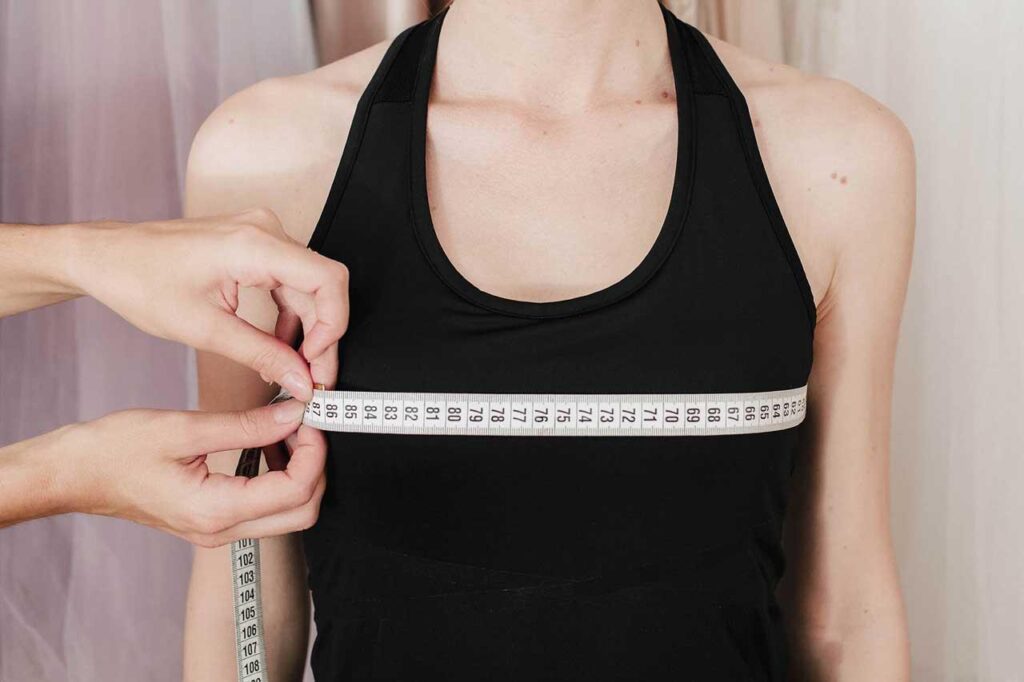
📐 Measurement #2: Bust Circumference
Bust circumference is the second most important measurement, especially for upper garments like shirts, dresses, jackets, and coats. It forms the basis for most calculated construction measurements.
Note: Consumers are responsible only for measuring their body accurately. Translating those measurements into patterns is the job of a garment pattern engineer — one of the most critical roles in fashion, second only to the designer.
Tools of the trade:
- Flexible measuring tape
- Bare body
- Honest mindset
To measure bust correctly, wrap the tape loosely around the fullest part of the bust, inserting fingers at the meeting point to avoid tightness. Whatever the tape shows — like it or not — that’s your true measurement.
📐 Measurement #3: Waist Circumference
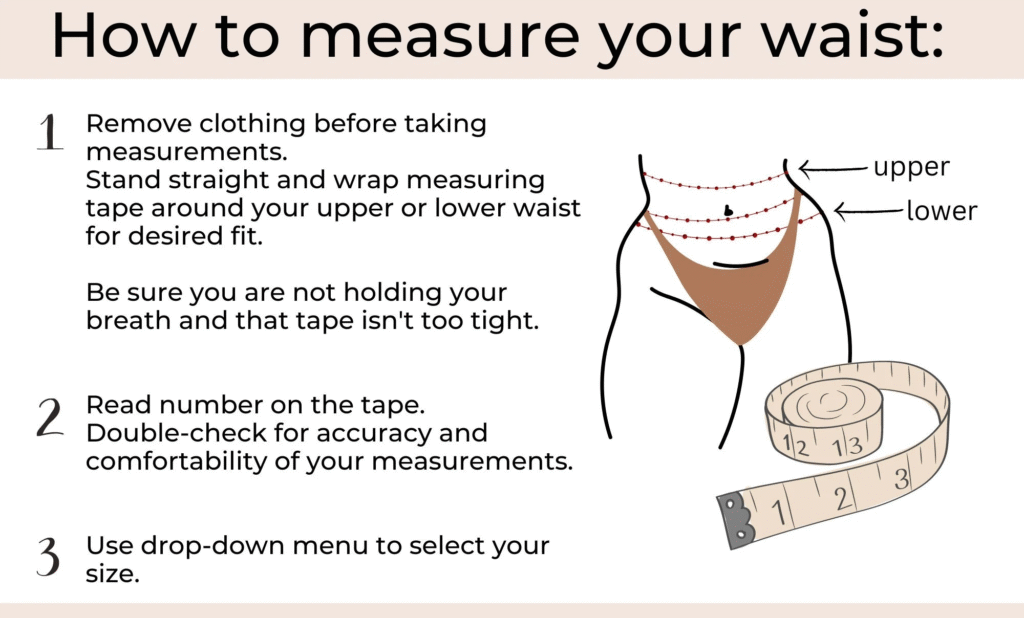
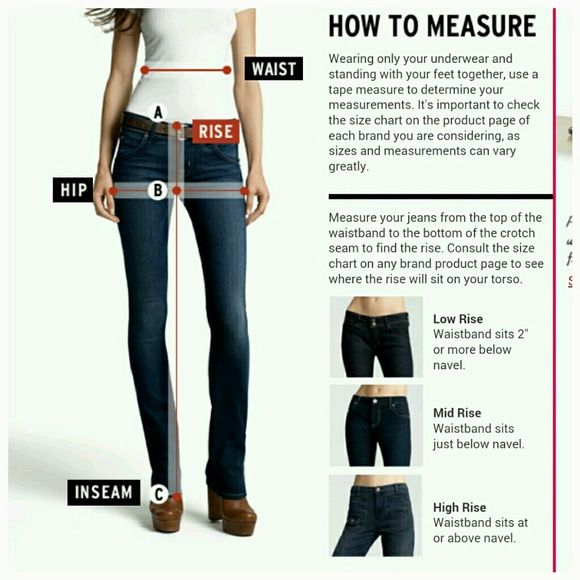
Waist circumference is key for lower garments like pants and skirts. But it’s tricky — especially for women — because fashion trends influence where garments sit, for example:
Low-rise trend (1990s–2000s): Waistbands sat near the hips, requiring a lower waist measurement.
High-rise trend (recent years): Waistbands sit at the natural waist, near the navel.
If a brand provides only one waist measurement in its size chart — without specifying which type — consumers are likely to choose the wrong size.
Additional measurements needed:
- Seat depth (rise): Indicates waistband height
- Inseam: Measures inner leg length
These help prevent pants that look great standing up but slide down when sitting — a common issue that leads to discomfort and returns.
📐 Measurement #4: Hip Circumference
Hip circumference is a control measurement for upper garments and a critical one for lower garments. While the waist is usually the narrowest part of the body, the hips are typically the widest.
Of course, body proportions vary. Some people have wider waists than hips — but this blog focuses on standard sizing.
To measure hips, wrap the tape loosely around the widest part of the buttocks and hips, again inserting fingers to avoid tightness. Accept the result — it’s your reality and the best guide to choosing the right size.
For tight-fitting garments:
- Dresses and skirts: Bust, waist, and hip measurements define silhouette
- Pants: Hip measurement must be satisfied — otherwise, seams may tear. If in doubt, size up and adjust the waist with a belt.
📐 Body vs. Garment Measurements: Know the Difference
This distinction is often misunderstood.
- Body measurements reflect the consumer’s actual shape. They’re used to identify the best-fitting size from a brand’s chart.
- Garment measurements are production specs. They ensure that every item in a size range matches the pattern engineer’s design.
Maintaining consistent garment measurements is a key quality standard in fashion manufacturing.
🧵 Conclusion: Measurements Matter
Body measurements and clothing are inseparable. For consumers, accepting your own measurements is the first step toward solving sizing frustrations.
For brands and manufacturers, tampering with sizing logic leads to chaos — and long-term financial loss.
Accurate measurements lead to better fit, greater satisfaction, and fewer returns. That’s why developing sizing systems that reflect today’s diverse population is more important than ever.
🔜 Coming Next:
In the next blog, we’ll explore:
- Clothing size systems
- Size grading
- Labeling standards
- How to navigate size charts on webshops
Note: this blog is the English version of the original text: Odjeća: Muke po veličinama Dio 1. Mjere tijela — Cad Fashion Studio, reduced and translated with the help of CHAT GPT5.